The Biggest Mistakes People Make in New Builds and How to Avoid Them
Building a new home should feel exciting. You’re starting with a blank canvas, everything is new, and you have the chance to create something that truly works for you. But this is also where I see the same mistakes happen again and again.
The tricky part is that most of them don’t show up until it’s too late. Once the walls are up, the windows are in, and the joinery is ordered, you’re suddenly working around decisions that could have been solved early.
The biggest mistake isn’t usually the design itself. It’s not thinking about how the home will actually be lived in.
Leaving curtains and blinds until the end
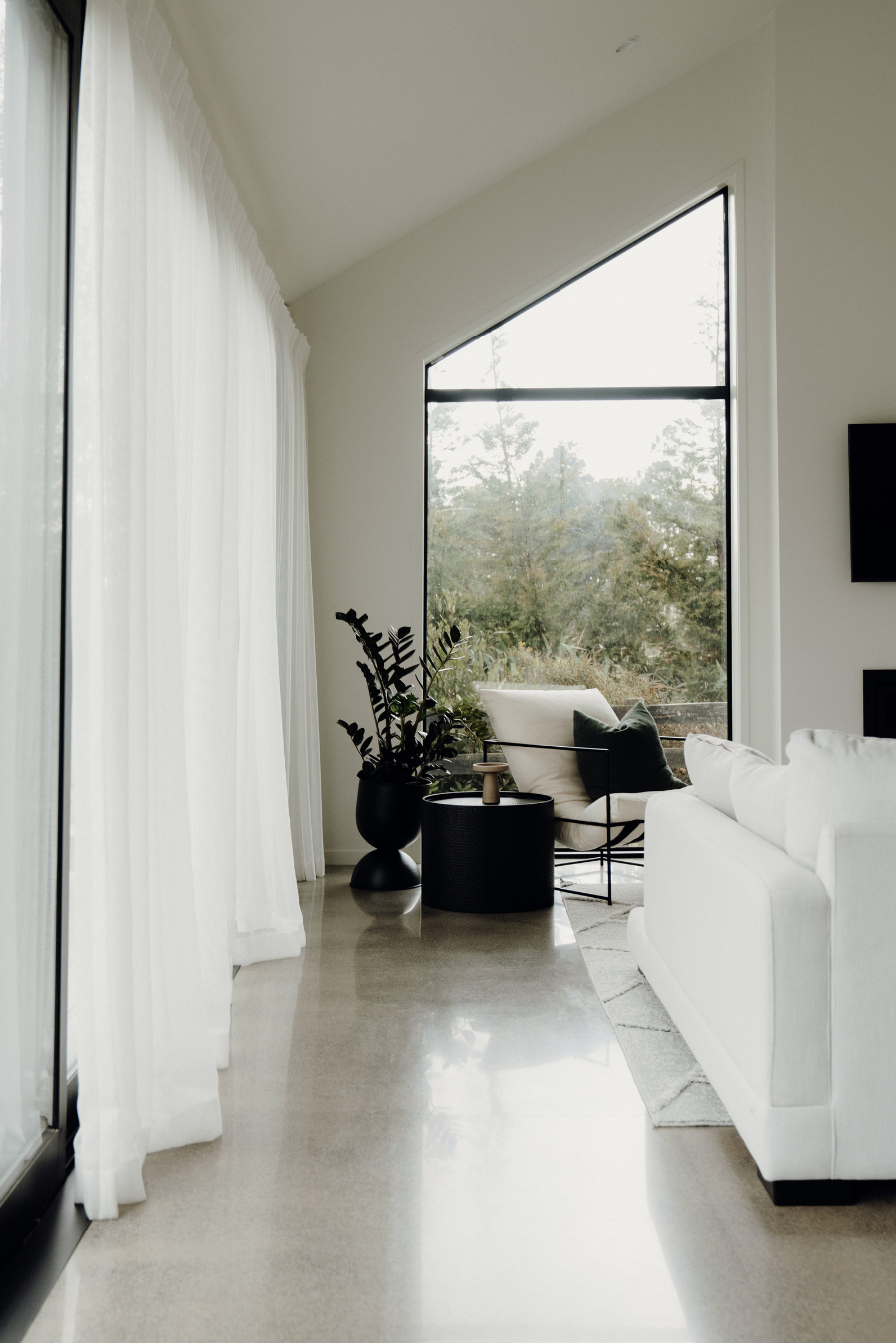
Curtains are almost always left too late. They’re often treated as a finishing touch, when in reality they should be thought about during the planning stage.
Window placement, ceiling heights, recess tracks, space for curtains to stack back, whether Roman blinds will sit above the window. All of these need to be considered early. Without that planning, you end up with windows that can’t properly be dressed, or solutions that feel compromised.
It is a small detail, but it has a huge impact on how finished a home feels.
Not planning furniture early enough
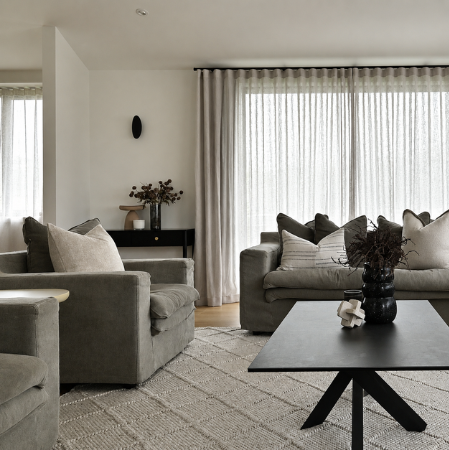
This is one of the biggest ones. People design rooms without knowing how their furniture will actually sit in the space.
Then suddenly the sofa blocks a window. The dining table doesn’t fit comfortably. There isn’t enough room for bedside tables. A bed sits under a window with no way to properly cover it. Or the scale of the room feels awkward once everything is in.
Furniture planning should happen alongside the floor plan. It helps determine window placement, circulation space, wall lengths, and how the room will function day to day. Without it, you’re designing a shell and hoping everything fits later.
Spending money in the wrong places
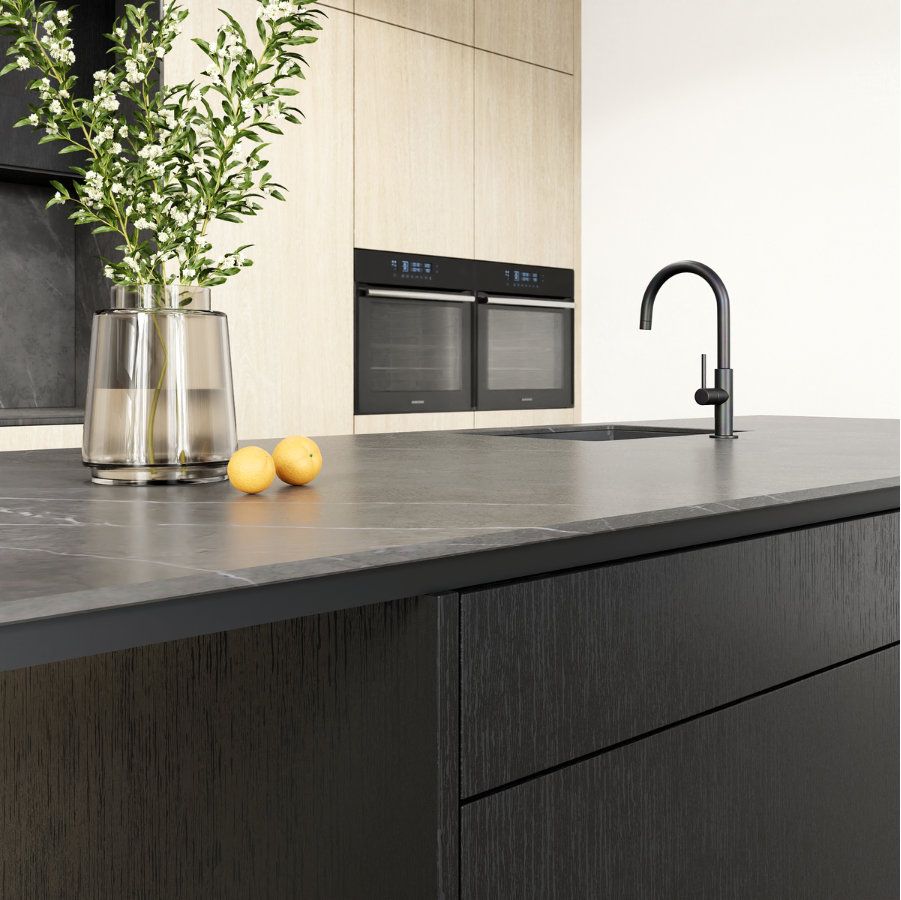
Another common mistake is putting budget into features that don’t actually impact everyday living.
Large exterior feature walls, expensive cladding, or statement details that look impressive on paper, but then there is no budget left for curtains, rugs, lighting or furniture. These are the elements you interact with every day. They are what make a house feel finished and comfortable.
Sometimes it is better to simplify one architectural feature and invest in the pieces that soften the space and bring it to life.
Too many features competing at once
It is easy to fall into the trap of adding a feature everywhere. A feature wall, a statement fireplace, bold curtains, textured joinery, decorative lighting, strong colours. Individually they might all be beautiful, but together they compete.
When everything is trying to be the hero, nothing stands out.
Often the most impactful spaces are the ones that edit back. Let one or two elements shine, and allow the rest to support them. That balance is what creates calm, considered interiors.
Colour decisions made without context
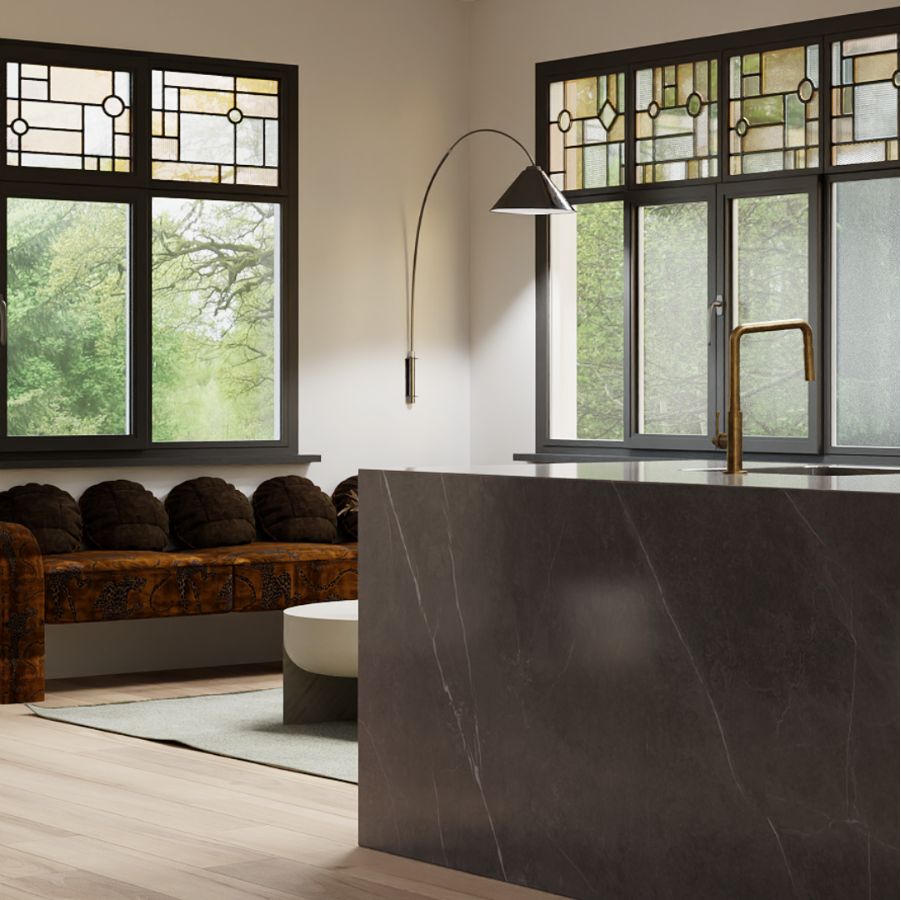
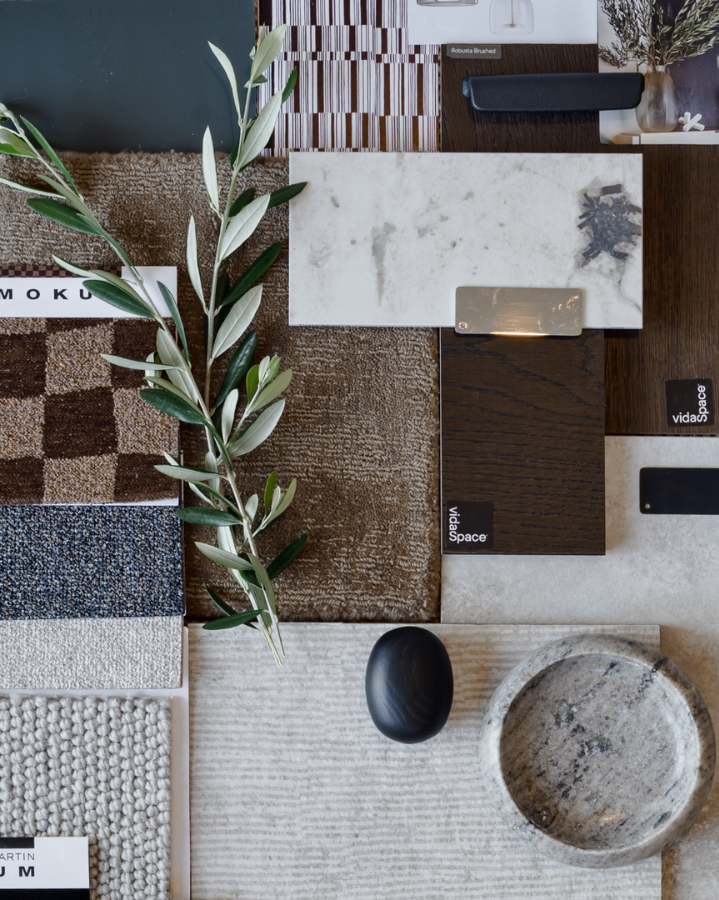
Colour is another area where mistakes happen quickly. A paint colour might look perfect on its own, but once it sits beside joinery, flooring, tiles and lighting, it can shift completely.
This is where you see walls that feel slightly purple, joinery that clashes with flooring, or feature colours that feel disconnected from the rest of the home. These are small shifts, but they change the entire feel of a space.
Colour needs to be considered as part of the full palette, not chosen one element at a time.
Forgetting about lighting
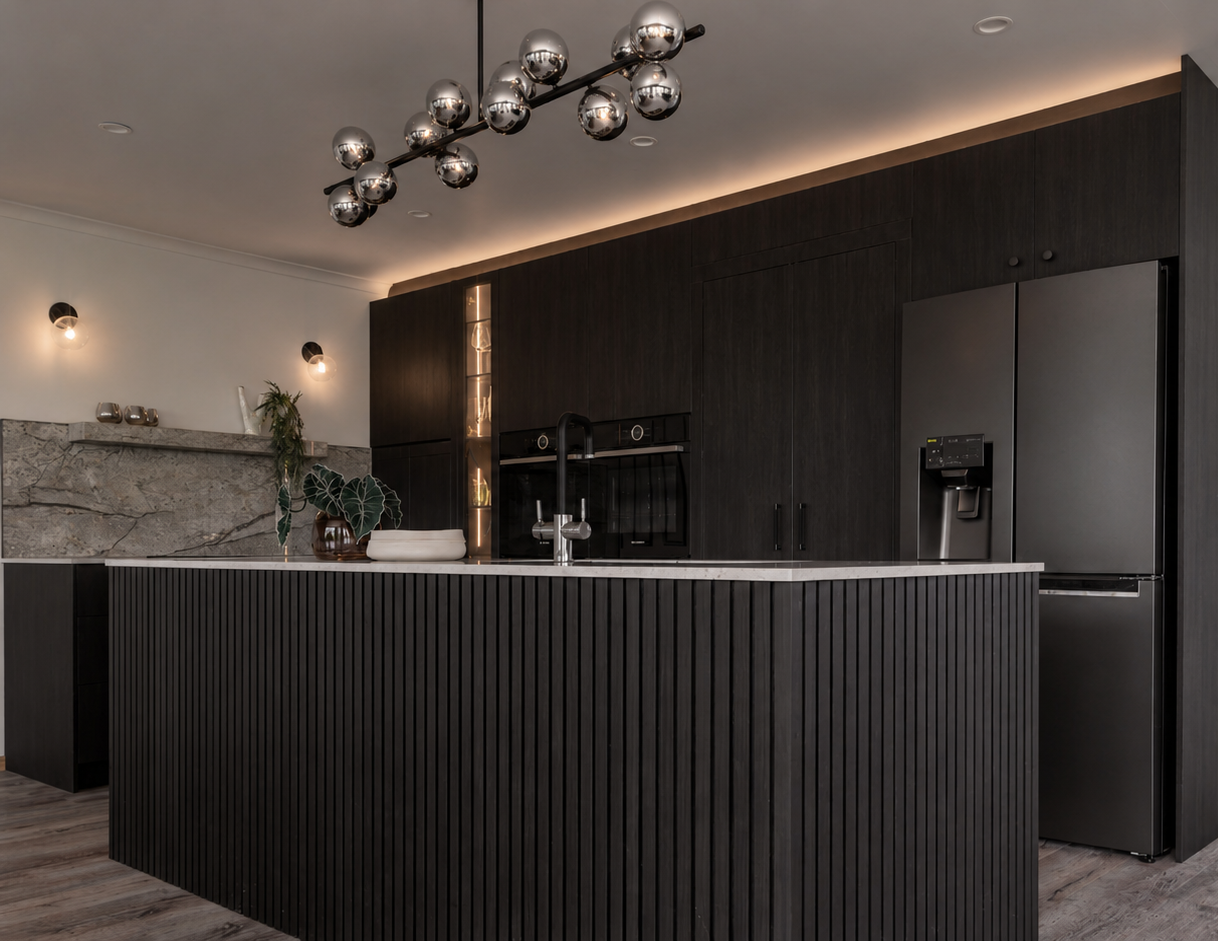
Lighting is often overlooked, yet it has one of the biggest impacts on how a home feels. Many new builds rely heavily on downlights, which creates flat, even lighting but very little atmosphere.
Layered lighting makes the difference. Pendants, wall lights, lamps, and feature lighting create depth and warmth. They highlight architecture, artwork and materials. They also help a home feel softer and more inviting.
Lighting should be considered early, both in layout and budget. It is one of the final touches that brings everything together.
The value of thinking ahead
Most of these mistakes are not about making the wrong decision. They are about making decisions too late.
Thinking about furniture early shapes room sizes. Planning curtains early influences window placement. Choosing lighting early allows wiring to be designed properly. Setting a palette early keeps everything cohesive. Allocating budget early ensures the home feels complete.
When these things are considered from the beginning, the home flows more naturally and avoids those frustrating moments where something almost works, but not quite.
Building a new home is a rare opportunity to get everything right. A bit of planning at the start makes all the difference.